
A Conversation with Dr. Umbreen
- May 1, 2026
- admin
- 0
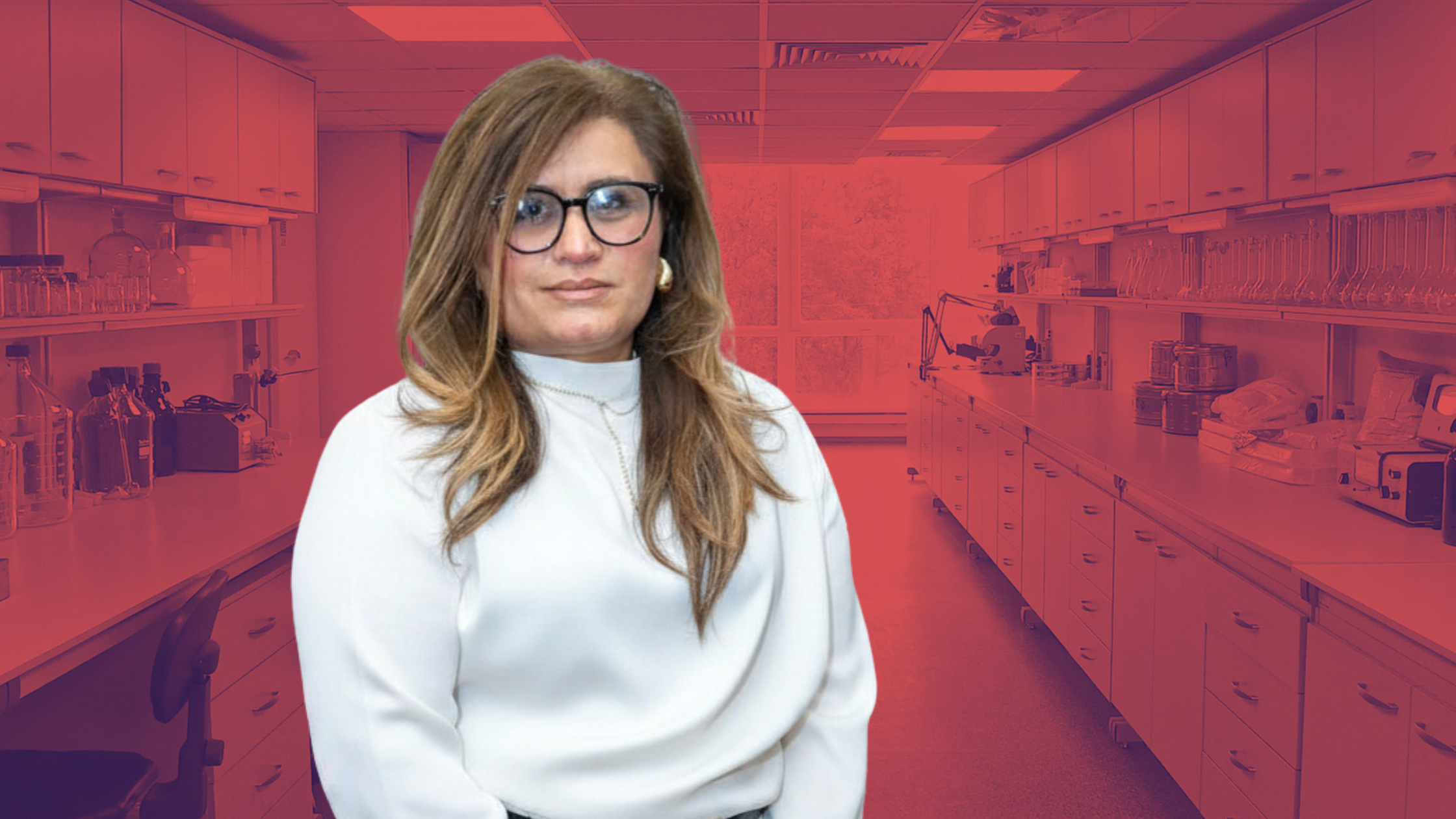
Dr. Umbreen is our CEO and Phlebotomy Program Director here at the Canadian College of Healthcare and Pharmaceutics. She was kind enough to sit down and answer a few questions about her journey in the healthcare field.
What first drew you to phlebotomy?
Honestly, it wasn’t something I planned. I started during medical school, more out of necessity than passion at the time. But very quickly I realized something—this is where theory becomes real. You’re not just studying medicine anymore, you’re directly interacting with a patient, and what you do matters immediately. That connection stayed with me, and over time it became something I truly valued and built my career around.
How has the role of a phlebotomist evolved since you first started your career?
It has changed a lot. When I started, we were mostly using syringes and doing things very manually. Now everything is more system-driven—vacuum tubes, barcoding, electronic records. But more importantly, the role itself has expanded. Phlebotomy is no longer limited to hospitals. I now see it being used in clinics, research, dental clinics, aesthetics, long term care homes, in community, sports medicine—even by professionals who didn’t traditionally perform blood draws. It’s become a core skill in healthcare.
What are the most important qualities or skills that make a great phlebotomist?
From my experience, it’s not just about technical skill. Yes, you need steady hands and good judgment, especially with difficult veins. But what really makes a difference is your ability to stay calm and make the patient feel safe. Patients pick up on your energy very quickly. Attention to detail is also critical—something as simple as labeling can have serious consequences if done incorrectly. And of course, infection control practices are non-negotiable.
What’s a moment in your career that really changed your perspective on patient care?
I remember working with critically ill patients early in my career. Those situations taught me very quickly that the most difficult draws are often not about the vein—they’re about the person. Patients who are scared, in pain, or overwhelmed need more than just technical skill.
I’ve also seen many cases where patients had very difficult veins and had already gone through multiple failed attempts. In those moments, the difference is not just skill—it’s the ability of the phlebotomist to build trust, calm the patient, and put them at ease. I’ve seen experienced phlebotomists walk in, connect with the patient, and succeed where others struggled—not because the vein changed, but because the patient did.
That’s when it really stayed with me that we’re not just performing a procedure, we’re managing a human experience. And that understanding has shaped how I practice and how I teach my students today.
What are some common fears or challenges your students face when learning phlebotomy?
Almost every student goes through similar concerns. The biggest one is fear—fear of hurting the patient, missing the vein, or making a mistake. Many also struggle when transitioning from practice arms to real people. I also see a lot of self-doubt, especially among internationally trained professionals. They often question themselves, but it’s just about learning a new system and technique.
How do you prepare your students not just technically, but emotionally, for working with patients?
I focus a lot on building confidence gradually. I tell them from day one that it’s okay to struggle, everyone does. We talk openly about difficult situations, not just what went wrong, but how it felt. I also use role-playing, especially for anxious patients, because real-life situations are never “perfect.” I share my own early mistakes as well, it helps them understand that growth takes time.
What advice would you give to someone considering a career in phlebotomy but feeling unsure or nervous?
If you’re nervous, that’s a good sign—it means you care. Phlebotomy is one of the fastest ways to enter healthcare, and it opens a lot of doors. You don’t have to have everything figured out. Start with one skill, build your confidence, and grow from there. It’s a very practical and rewarding field.
How do you handle difficult draws or anxious patients?
I usually start by talking to the patient and explaining what I’m doing. That alone helps reduce a lot of anxiety. For nervous patients, simple distraction works well—just keeping them engaged in conversation so they’re not focused on the needle.
For difficult veins, I take my time. I’ll use a warm compress, adjust my technique, and I never rush. And I always follow a simple rule—if I’m not successful after two attempts, I ask for support. Patient safety always comes first.
I remember one situation that really stayed with me. I was asked to do a blood draw for a patient who was severely needle-phobic. She had a history of fainting, and that day she was extremely anxious sweating, overwhelmed. She had even brought three friends with her, and a psychotherapist was there to help calm her down. She didn’t feel comfortable going to a lab, so I was asked to go to her home.
When I walked in, she was lying in bed, surrounded by people, with dim lighting and calming music playing. Honestly, the whole setup was a bit intimidating at first. But I knew I had to take control of the situation in a calm way.
After introducing myself, I didn’t jump straight into the procedure. I just started talking to her—about normal things—until I could see she was starting to relax. Once I built that trust, I gently asked if we could reduce the number of people in the room and turn on the light. I reassured her that she was in safe, experienced hands.
I had her stay lying down and kept talking to her throughout to keep her distracted. I used a butterfly needle, took my time, and completed the draw smoothly. She didn’t even realize when the needle went in, and most importantly—she didn’t faint.
Afterwards, she was honestly surprised and kept thanking me. For me, that situation reinforced something very important: in cases like this, it’s not just about technique—it’s about trust, control, and how you manage the environment around the patient.
What career paths or opportunities can open after starting in phlebotomy?
Phlebotomy is actually a very strong starting point in healthcare. I’ve seen many of my students begin with blood collection and then quickly move into roles like lab technicians, medical office assistants, or mobile phlebotomists working in the community.
From there, it really opens depending on the individual. Some go on to become medical laboratory assistants or move into research roles where blood collection is a key part of clinical trials. Others use it as a stepping stone into nursing, paramedicine, or laboratory sciences.
I’ve also seen growth in areas people don’t always expect—like fertility clinics, blood banks, insurance related paramedical and blood draw (Especially for International health professionals) IV therapy, aesthetics (PRP treatments), and sports medicine. These fields increasingly require professionals who are confident with venipuncture.
For internationally trained healthcare professionals, phlebotomy often becomes a practical way to re-enter the system here in Canada. It helps them rebuild confidence, gain local experience, and transition back into regulated roles.
At the end of the day, it really depends on where you want to go. Phlebotomy gives you that first clinical skill, and once you have that, a lot of doors start opening—both in traditional healthcare settings and newer, growing areas.
What do you find most rewarding about teaching the next generation of healthcare professionals?
For me, it’s seeing that transformation. A student who starts off nervous and unsure and then completes their first successful draw—that moment never gets old. I also work with many internationally trained professionals and helping them rebuild their confidence and re-enter healthcare in Canada is incredibly meaningful. It’s more than teaching a skill, its helping people move forward in their careers and lives.